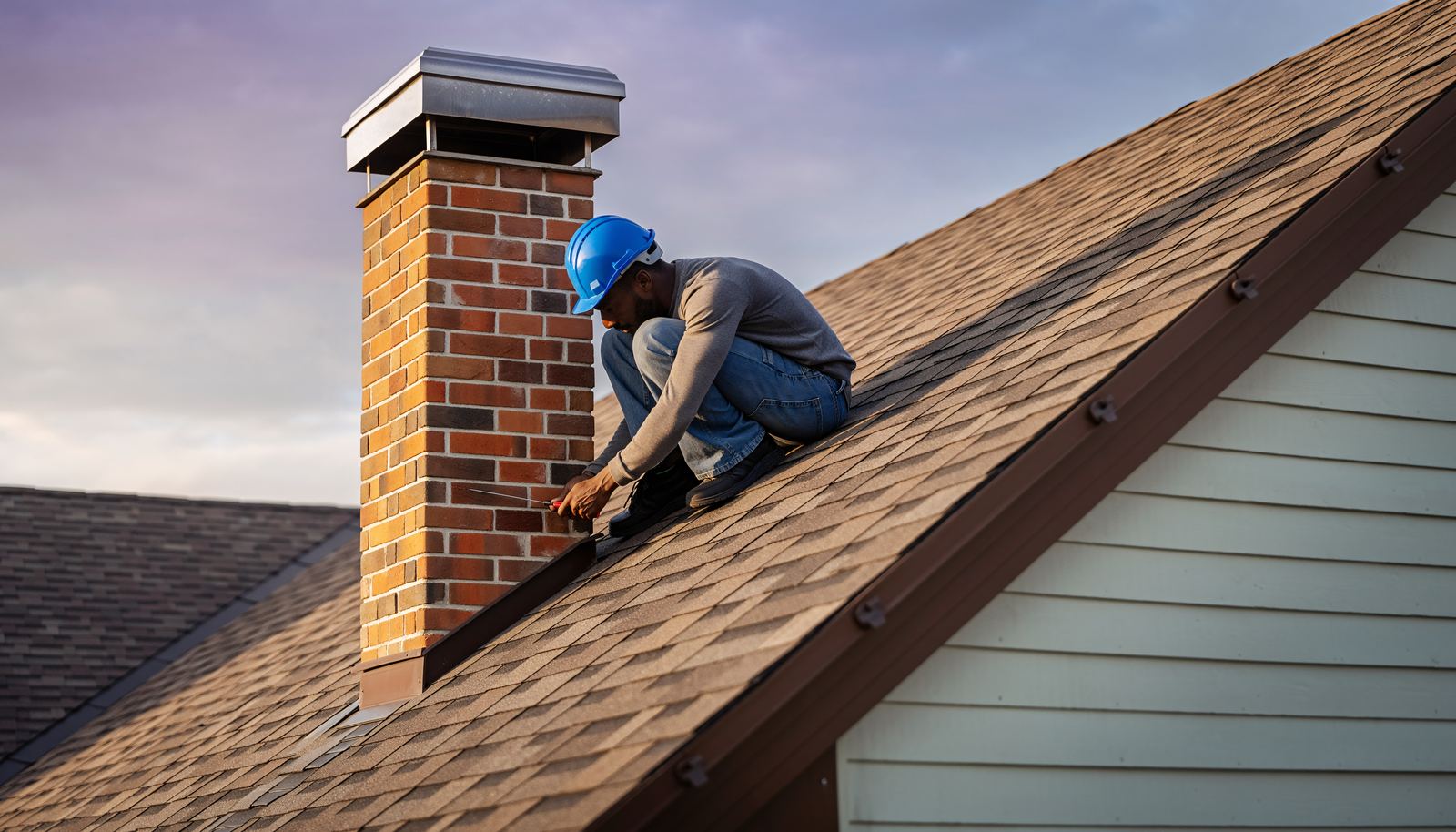
NFPA 211 defines three chimney inspection levels: Level 1 is a visual check of accessible areas, Level 2 adds a camera scan of the flue plus attic and roof access, and Level 3 opens concealed areas when a hazard is suspected. One free call to (888) 650-3035 connects you with an independent certified pro who performs the right one.
A Level 1 inspection is the annual baseline. The pro examines every readily accessible part of the chimney and flue — firebox, damper, smoke chamber, the flue interior as far as a light will reach, and the exterior structure from the ground — checking that the system is sound, free of obstructions, and holds only ordinary deposits. You'll see flashlights, mirrors, and a close look at the appliance connection. A Level 2 includes everything in a Level 1, then goes further: the pro accesses attics, crawl spaces, and the roof where reachable, and runs a video camera on rods through the entire flue, recording the condition of every joint and tile from top to bottom.
A Level 3 is rare and targeted. When a Level 1 or 2 turns up evidence of a serious hidden problem — say, damage suggesting heat escaped the flue — a Level 3 authorizes removing specific building components, like a chimney chase cover or sections of drywall, to examine concealed areas. It should always name what's being opened and why. Whatever the level, expect written documentation: a report identifying the level performed, the components examined, their condition, and any defects found, ideally with photos or flue-scan images attached. A verbal 'looks fine' from the driveway is not an inspection under NFPA 211, and it leaves you with nothing on record.
An industry pattern worth naming plainly: the no-charge inspection whose real purpose is generating repair work, where every visit somehow ends in an urgent, expensive discovery. Real inspections produce written reports with photos of your specific chimney, and real inspectors are comfortable with second opinions. If the finding arrives with same-day-signing pressure and no documentation you can hand to another pro, treat the diagnosis as unverified until someone else confirms it.
The opposite failure: a cursory flashlight glance up the flue, a thumbs-up, and no paperwork. A legitimate Level 1 covers the firebox, damper, smoke chamber, accessible flue interior, exterior masonry, and the appliance connection — and ends with a written report. An inspection that leaves no record can't support a warranty claim, a home sale, or even next year's comparison. If you receive nothing in writing, you effectively received nothing.
A Level 3 involves removing parts of your home's structure or the chimney itself to reach concealed areas — it is a response to documented evidence of a hidden hazard, not a default service tier. Recommending demolition-level access before any lower-level findings exist puts the conclusion before the evidence. Ask what the Level 1 or Level 2 found, ask to see the images, and expect the Level 3 scope to name exactly what gets opened and why.
These are call-a-professional signs, not panic signs. Stop using the fireplace until it's been looked at, and describe what you're seeing when you call.
The camera travels the full length of the flue and records what a flashlight can't reach: the condition of each tile or liner section, the mortar joints between them, cracks, gaps, offsets, missing pieces, and buildup on the walls. You can usually watch the monitor in real time, and the recorded footage becomes part of your report — concrete evidence you can share with any other pro for a second opinion.
It varies with the chimney, but as a general shape: a Level 1 is the quickest, a focused examination of accessible areas. A Level 2 runs longer because it adds the full camera scan plus attic and roof access. A Level 3 depends entirely on scope, since it involves opening concealed areas. Be more suspicious of an inspection that finishes implausibly fast than one that takes its time.
The standard calls for examining accessible portions of the chimney exterior and interior, including areas reachable from roofs, attics, and crawl spaces — where access is safe and practical. On some homes the roof is too steep or weather makes it unsafe that day, and the pro should say so and note it in the report rather than silently skipping it. The interior camera scan covers the flue itself regardless.
At minimum: which inspection level was performed, what components were examined, the condition of each, any defects or deficiencies found, and what the inspector recommends. Good reports attach photos and, for a Level 2, flue-scan images or video. Keep every report — a dated history of your chimney's condition is genuinely useful, both for tracking gradual changes and for documentation if you ever sell the home.
Yes — call (888) 650-3035 and ChimneyBeacon connects you with an independent certified chimney professional handling chimney inspections (levels 1–3) in your area. The referral is free; the local pro schedules and prices the work directly with you.
Honest answer: it depends on what a professional actually finds — access, condition, materials, and scope move every quote. Any firm number invented before someone has seen your chimney is marketing, not pricing. The certified pro quotes after looking, in writing, and our referral adds nothing to it.
Sometimes a low quote is a lean, honest operator — and sometimes it's a teaser that grows an 'emergency' once the crew is on your roof. Judge the quote by what it documents, not what it totals: photos, scope, and materials in writing beat a low number with none of the three.
The pros in our network are independent businesses, and the credentials — CSIA certification, insurance, licensing where applicable — are theirs. Ask directly; good pros expect it and answer without flinching. Our CSIA guide explains exactly what the certification covers and why it matters.
One free call connects you with an independent certified chimney professional in your area.
Call (888) 650-3035 — Free Referral