Call (888) 650-3035
HomeServicesStorm & Insurance Claim Guide
Free referral · All 17 states

Storm & Insurance Claim Guide — Done by a Certified Local Pro

This guide explains how homeowner insurance claims for chimney damage typically work — lightning strikes, wind and hail, storm impact, and chimney fires are the events carriers most often treat as sudden and accidental — and what documentation adjusters expect. One free call to (888) 650-3035 connects you with a certified local pro who can inspect and document the damage.

Documentation drives claims

How does a chimney insurance claim typically unfold?

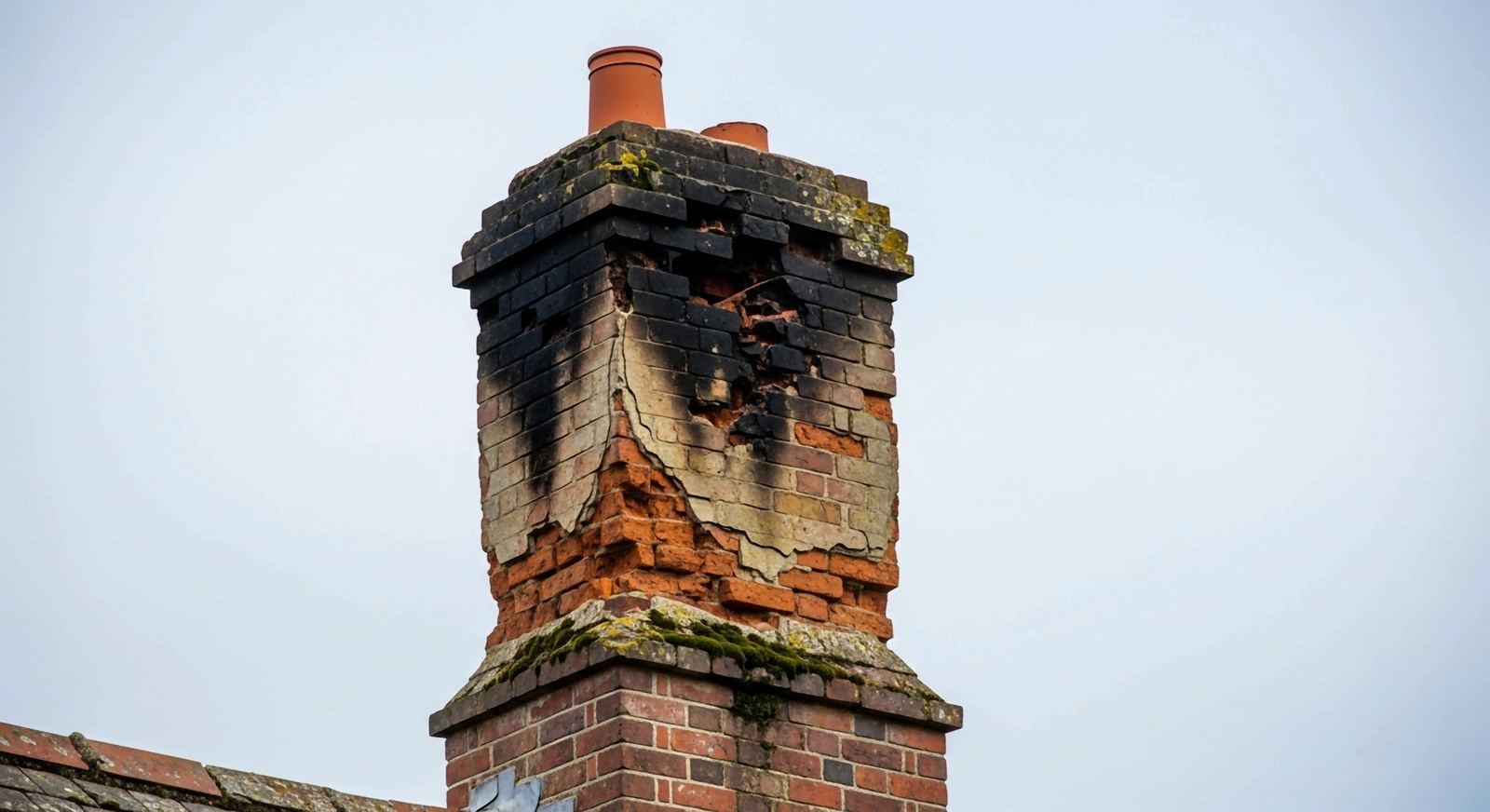
It starts the moment you suspect damage. Stop using the fireplace, and if a chimney fire or lightning strike just happened, photograph everything you safely can before anything is cleaned or moved — scorch marks, cracked crowns, displaced bricks, debris on the roof or ground, and the date of the storm if weather was involved. Notify your insurance carrier promptly, since most policies require timely reporting. Then get a professional inspection: after a suspected chimney fire or lightning strike, that typically means an internal camera scan of the flue, because the damage that matters — cracked flue tiles, shifted liner sections — is invisible from the hearth. The inspection report and images become the backbone of the claim.

From there, the carrier assigns an adjuster, who evaluates whether the damage fits the policy's terms. This is where the distinction that decides most chimney claims comes in: sudden, accidental events — lightning, a chimney fire, wind-driven tree impact, hail — are commonly covered causes, while gradual deterioration like slowly failing mortar or long-term water absorption typically is not. The adjuster compares your documentation against that line, which is why a detailed report describing what happened and when matters so much. If the claim proceeds, you and the adjuster agree on the scope of damage, and you generally choose the professional who performs the repairs. Every policy differs, so your declarations page and your agent are the final word on what yours covers.

How do you know whether your chimney damage is worth a claim?

Ask two questions: can you tie the damage to a specific, dateable event, and does your documentation show it? A crown cracked by a lightning strike during a named storm, flue tiles fractured in a chimney fire the sweep's camera can show, or masonry knocked loose by wind-thrown limbs all have a clear story with a date attached. Mortar that has been softening for fifteen years does not, and filing a wear-and-tear claim usually accomplishes nothing except adding a claim to your history. Weigh your deductible against the realistic repair scope, and remember that policies differ — an event one carrier covers, another may exclude. Getting a professional inspection first shows you the same evidence an adjuster will weigh, before you commit to filing anything.

How this goes wrong — including the upsell to watch for

Evidence destroyed before it is captured

The most common self-inflicted wound in a chimney claim is cleanup before documentation. Sweeping the flue after a suspected chimney fire removes the glazed creosote and debris that proved the event happened; hauling away wind-scattered bricks erases the impact story. Before anyone touches anything, photograph the damage from multiple angles, keep dated copies, and ask the inspecting professional to capture internal camera images. Adjusters evaluate what they can see, not what you describe from memory.

The storm-chaser 'insurance will pay for it' promise

After major storms, door-knockers appear promising that insurance will buy you a brand-new chimney if you sign with them today. No contractor can promise what your carrier will decide — coverage belongs to the adjuster and your policy language. Some of these outfits inflate damage descriptions, which can put your claim, and you, in a bad position. Get your own independent inspection, file through your agent, and never sign over claim rights under doorstep pressure.

The one-line inspection report

A report that reads 'chimney damaged, recommend rebuild' gives an adjuster nothing to approve. Strong claim documentation identifies the cause, dates it where possible, and connects each damaged component to the event — cracked flue tiles shown in camera stills, crown fractures photographed, hail strikes on the cap noted alongside matching roof damage. When you schedule the inspection, say up front that it is for an insurance claim so the professional writes with an adjuster in mind.

Call promptly if you see these

!You just had a chimney fire — even one that seemed to burn itself out — stop using the fireplace until it is inspected.!Lightning struck your home or a nearby tree and the chimney has new cracks, displaced brick, or debris around it.!Bricks, the cap, or chunks of the crown are on your roof or lawn after a storm.!The chimney is visibly leaning or has separated from the house after an impact.!Fresh water staining is appearing inside around the chimney after wind or hail damaged the top of it.

These are call-a-professional signs, not panic signs. Stop using the fireplace until it's been looked at, and describe what you're seeing when you call.

Storm & Insurance Claim Guide: the questions that matter

Is chimney fire damage usually covered by homeowner's insurance?

Chimney fires are generally treated as sudden and accidental events, which is the category homeowner policies are built to address, and lightning is among the most commonly named perils. That said, carriers review the circumstances, some scrutinize maintenance history, and every policy has its own language and exclusions. The dependable move is documenting the event thoroughly and asking your agent what your policy says — no one can promise an outcome before the adjuster reviews the claim.

What documentation do adjusters typically expect for chimney damage?

Dated photographs of all visible damage taken before any cleanup, a professional inspection report that identifies the cause and includes internal camera images of the flue where relevant, and the date of the event — tied to weather records if a storm, lightning, or hail was involved. Any earlier inspection report showing the chimney's prior condition strengthens the file, because it separates new damage from what existed before.

What counts as sudden damage versus gradual wear in a claim?

Sudden damage traces to a specific event with a date: a lightning strike, a chimney fire, a tree limb driven into the masonry by wind, a hailstorm that cracked the crown. Gradual wear develops over seasons — mortar joints eroding, spalling from years of freeze-thaw cycles, rust from a long-term leak. Policies are generally written to respond to the first category and exclude the second, though exact language varies by carrier.

Should I get the chimney inspected before or after calling my insurance company?

Report the event to your carrier promptly — most policies require timely notice — and schedule the professional inspection in parallel rather than waiting. Do not make permanent repairs before the adjuster reviews the damage; reasonable emergency steps like tarping to stop active water entry are typically expected, but photograph everything first and keep records. Mention the claim when booking so the inspection report is written with an adjuster in mind.

Is there storm & insurance claim guide near me?

Yes — call (888) 650-3035 and ChimneyBeacon connects you with an independent certified chimney professional handling storm & insurance claim guide in your area. The referral is free; the local pro schedules and prices the work directly with you.

What does storm & insurance claim guide cost?

Honest answer: it depends on what a professional actually finds — access, condition, materials, and scope move every quote. Any firm number invented before someone has seen your chimney is marketing, not pricing. The certified pro quotes after looking, in writing, and our referral adds nothing to it.

Is cheap storm & insurance claim guide worth it?

Sometimes a low quote is a lean, honest operator — and sometimes it's a teaser that grows an 'emergency' once the crew is on your roof. Judge the quote by what it documents, not what it totals: photos, scope, and materials in writing beat a low number with none of the three.

Is the professional certified and insured?

The pros in our network are independent businesses, and the credentials — CSIA certification, insurance, licensing where applicable — are theirs. Ask directly; good pros expect it and answer without flinching. Our CSIA guide explains exactly what the certification covers and why it matters.

Need storm & insurance claim guide?

One free call connects you with an independent certified chimney professional in your area.

Call (888) 650-3035 — Free Referral
📞 Call a Chimney Pro — (888) 650-3035