Call (888) 650-3035
HomeServicesLevel 2 Inspection at Home Sale
Free referral · All 17 states

Level 2 Inspection at Home Sale — Done by a Certified Local Pro

Buying or selling a home with a chimney? NFPA 211 calls for a Level 2 inspection whenever a property changes hands — a video scan of the entire flue plus checks of accessible attic, roof, and crawl space areas. One free call to (888) 650-3035 connects you with an independent certified chimney inspector near you.

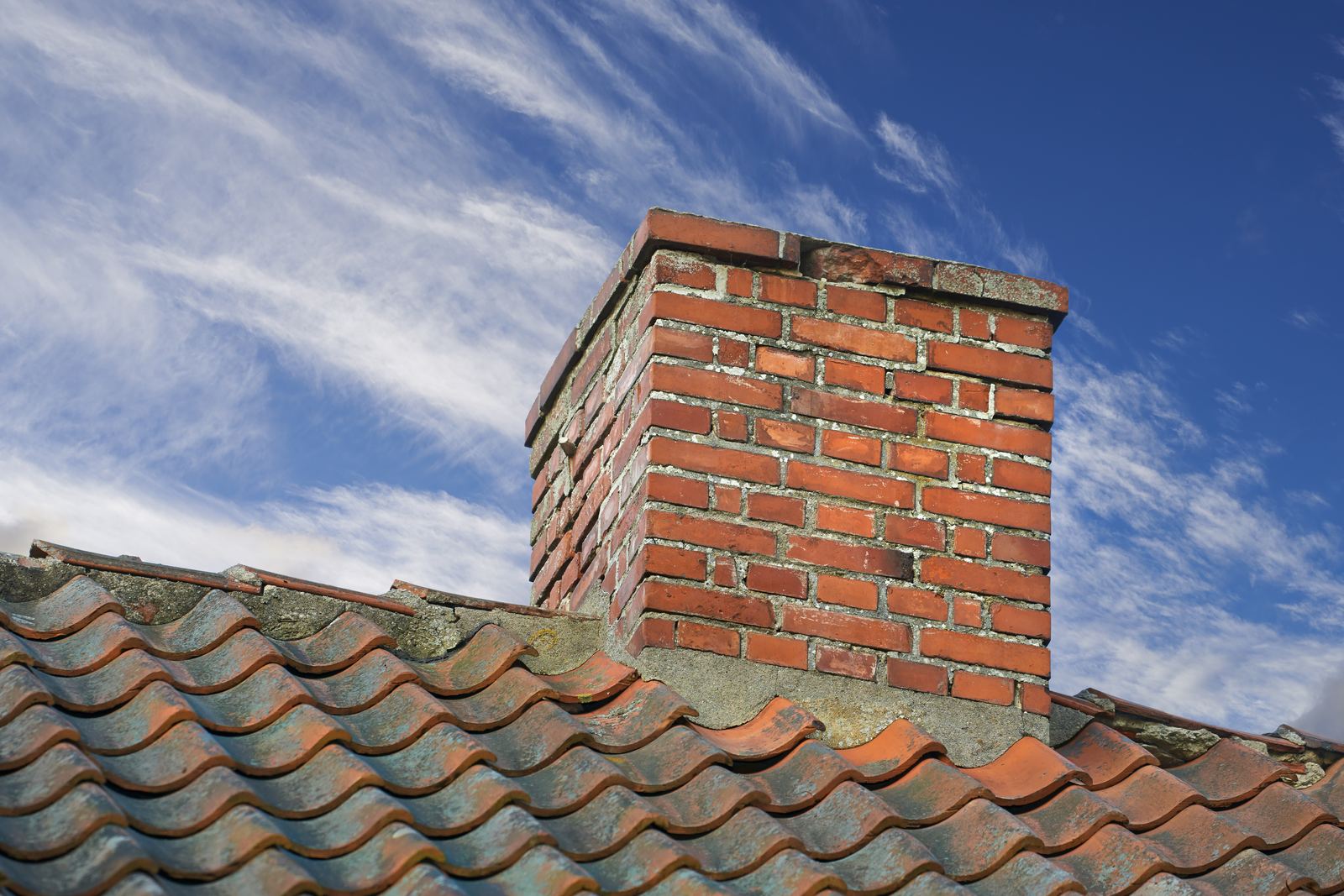
The stack a Level 2 documents

How does a Level 2 real estate inspection actually work?

The visit typically gets scheduled inside your inspection contingency window, alongside or just after the general home inspection. The pro starts with everything a Level 1 covers — firebox, damper, smoke chamber, exterior masonry, appliance connections — then extends into the parts of the house the chimney passes through: accessible portions of the attic, crawl space, basement, and roof, checking clearances to framing and the condition of the structure at each level. The centerpiece is the flue scan: a video camera run on rods through the entire flue, recording every tile, joint, and liner section from the firebox to the top. You or your agent can usually watch the monitor as it goes.

What you walk away with matters as much as the scan itself. Expect a written report identifying it as a Level 2 inspection, listing each component examined and its condition, itemizing any defects — cracked flue tiles, gaps at joints, missing liner sections, clearance problems, crown or cap issues — and including photos or scan footage as evidence. That documentation is the point: it turns the chimney from an unknown into a set of facts you and your agent can weigh during the transaction. Ask how quickly the report will be delivered when you book, because contingency deadlines are real, and confirm the scan footage or images come with it.

Do you really need a Level 2 inspection before closing?

Here's the plain answer: a general home inspection almost never looks inside the flue. Most home inspectors check what's readily visible — the firebox, the exterior — and their contracts often explicitly disclaim the chimney interior, which is exactly where expensive problems hide. That's why NFPA 211 designates a property transfer as a circumstance calling for a Level 2. If the home has a fireplace or wood stove you intend to use, a flue scan before your contingency expires converts a mystery into documented facts while you still have room to negotiate. If the fireplace is permanently decommissioned and sealed, the calculus changes and you can decide accordingly. Sellers sometimes commission one pre-listing for the same reason: fewer surprises at the negotiating table, in either direction.

How this goes wrong — including the upsell to watch for

Treating the home inspection as the chimney inspection

The most common miss isn't bad work — it's a gap between two professionals. The home inspector glances at the firebox and notes 'recommend chimney evaluation' in the report boilerplate, the buyer reads it as 'chimney is fine,' and nobody ever scans the flue. Interior flue damage is invisible without a camera. Read your home inspection report closely: chances are the chimney interior is specifically excluded, which is your cue to book a Level 2.

The inspection that morphs into a repair pitch

A known pattern in this industry: an inspection during a home sale that reliably discovers catastrophic damage, priced and pressured before closing while everyone's anxious. Some findings are real — that's why the scan footage matters. Insist on the recorded video and written report, and remember you're free to hand that evidence to a second pro for an independent read. An inspector whose findings can't survive a second opinion wasn't inspecting; they were selling.

A verbal thumbs-up with no documentation

In a real estate context, an undocumented inspection is nearly worthless. Without a written Level 2 report and scan images, you have nothing to bring to the negotiating table, nothing for your agent to attach to a repair request, and no baseline record once you own the home. Before booking, confirm you'll receive a written report identifying the inspection level, itemized findings, and photo or video evidence — and confirm the turnaround time fits your contingency deadline.

Call promptly if you see these

!Your home inspector flagged crown cracks, a missing cap, or flashing damage — get the flue scanned before the contingency period ends.!The listing describes the fireplace as 'as-is' or 'decorative only' with no explanation.!Seller disclosures mention a past chimney fire or past chimney repairs without records.!The home has sat vacant for an extended period and the flues haven't been checked.!Closing is approaching and no one has looked inside the flue at all.

These are call-a-professional signs, not panic signs. Stop using the fireplace until it's been looked at, and describe what you're seeing when you call.

Level 2 Inspection at Home Sale: the questions that matter

Why doesn't the general home inspection cover the chimney interior?

Scope and equipment. Home inspectors evaluate the whole house visually and typically don't carry flue-scanning cameras or claim chimney expertise; their standards of practice usually limit them to readily accessible, visible components. The flue interior — where cracked tiles, gaps, and liner damage live — requires a camera and a trained eye. That's why the chimney industry treats a property transfer as a distinct trigger for a Level 2 inspection.

Should the buyer or the seller arrange the Level 2 inspection?

Either can, and both approaches are common. Buyers typically order one during the due diligence period so the findings arrive while negotiation is still possible. Some sellers commission a pre-listing inspection instead, so issues surface on their timeline rather than mid-escrow. What matters most is that whoever orders it hires an independent certified pro and receives the full written report with scan footage.

What happens if the scan finds problems days before closing?

The report becomes information you and your agent can act on — request repairs, ask for concessions, adjust terms, or simply proceed informed. How that negotiation goes depends on your contract and market, not on the inspector. What the documentation guarantees is that you're deciding with evidence instead of hope, and that you're not discovering the flue's condition the first cold night in your new house.

The house has two or three flues — does each one get scanned?

Yes. A single chimney structure often contains multiple flues — one for the fireplace, another for a furnace or water heater — and each is an independent system that can hide independent problems. A proper Level 2 examines every flue in the chimney, and the report should identify findings flue by flue. When booking, mention how many fireplaces and fuel-burning appliances the house has so the pro scopes the visit correctly.

Is there level 2 inspection at home sale near me?

Yes — call (888) 650-3035 and ChimneyBeacon connects you with an independent certified chimney professional handling level 2 inspection at home sale in your area. The referral is free; the local pro schedules and prices the work directly with you.

What does level 2 inspection at home sale cost?

Honest answer: it depends on what a professional actually finds — access, condition, materials, and scope move every quote. Any firm number invented before someone has seen your chimney is marketing, not pricing. The certified pro quotes after looking, in writing, and our referral adds nothing to it.

Is cheap level 2 inspection at home sale worth it?

Sometimes a low quote is a lean, honest operator — and sometimes it's a teaser that grows an 'emergency' once the crew is on your roof. Judge the quote by what it documents, not what it totals: photos, scope, and materials in writing beat a low number with none of the three.

Is the professional certified and insured?

The pros in our network are independent businesses, and the credentials — CSIA certification, insurance, licensing where applicable — are theirs. Ask directly; good pros expect it and answer without flinching. Our CSIA guide explains exactly what the certification covers and why it matters.

Need level 2 inspection at home sale?

One free call connects you with an independent certified chimney professional in your area.

Call (888) 650-3035 — Free Referral
📞 Call a Chimney Pro — (888) 650-3035