Call (888) 650-3035
HomeServicesPrefab Fireplace & Chase Repair
Free referral · All 17 states

Prefab Fireplace & Chase Repair — Done by a Certified Local Pro

Prefab fireplace chase repair addresses the framed enclosure and the factory-built system inside it — rusted chase covers, cracked refractory panels, and worn chimney terminations. Because a prefab fireplace is a tested, listed system, repairs use matching listed components. One free call to (888) 650-3035 connects you with a certified local chimney professional who works on factory-built fireplaces.

Factory-built systems are systems

How does prefab fireplace and chase repair actually work?

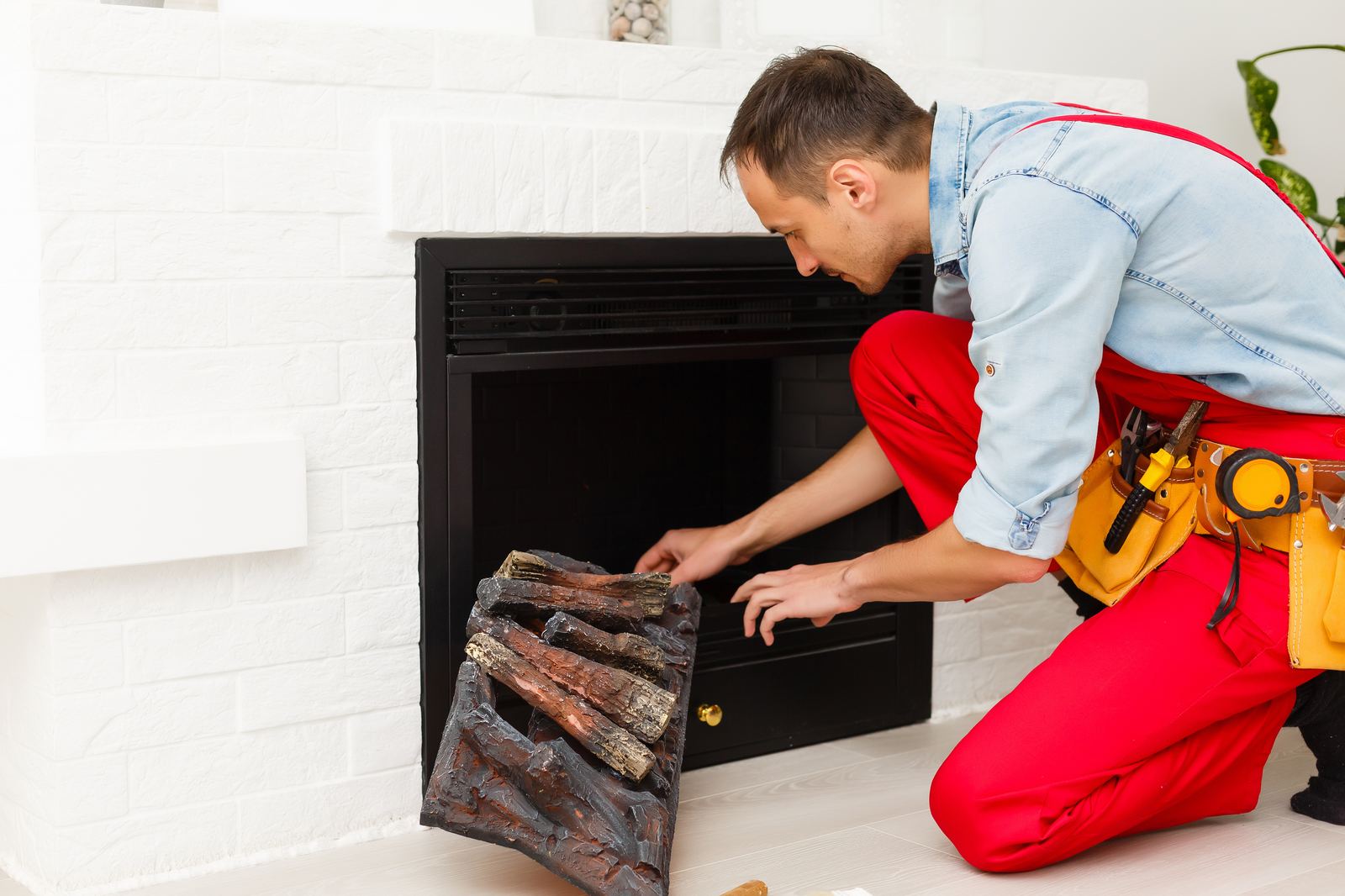
The visit starts with identification. Factory-built fireplaces are tested and listed as complete systems, so the pro looks for the data plate or manual to confirm the manufacturer and model before recommending anything. From there, the inspection moves top to bottom: the chase cover is checked for rust, standing-water stains, and failed seams; the termination cap and storm collar are checked for damage and proper fit; and the flue sections inside the chase are examined where accessible. Inside the firebox, the pro inspects the refractory panels for cracks and crumbling, checks the damper and doors, and looks for water staining that points back to a leak at the top of the chase.

Repairs then follow the listing. A rusted-through chase cover is typically replaced with a new one sized to the chase and sloped or cross-broken so water sheds instead of ponding. Cracked refractory panels are replaced with panels made for that fireplace model, since generic panels change how the firebox handles heat. Flue sections, caps, and terminations are matched to the manufacturer's approved parts list because a factory-built fireplace was safety-tested as one assembly — mixing brands can void the listing and create clearance problems inside the framed chase. When parts for an older discontinued unit no longer exist, the pro explains replacement options for the whole system rather than improvising.

Should you repair the parts or replace the whole prefab system?

The honest framework comes down to age, parts availability, and how far the damage has spread. A rusted chase cover or a cracked refractory panel on a fireplace that is otherwise sound is usually a straightforward component repair, as long as listed replacement parts still exist for that model. The math changes when the unit is decades old, the manufacturer is gone, or several parts are failing at once — patching an orphaned system piece by piece can take more effort than it returns and still leave you outside the listing. A certified pro should be able to tell you which side of that line you are on, show you the specific damage, and explain what the manufacturer's documentation allows. If a recommendation skips the model lookup entirely, get a second opinion.

How this goes wrong — including the upsell to watch for

Rusted chase cover that ponds water

Many original chase covers were flat galvanized sheet metal. Water pools on the flat surface, rust starts at the seams and around the flue collar, and eventually the cover leaks into the framed chase. The telltale signs are rust streaks down the siding, staining at the top of the chase, and dampness or corrosion inside the firebox. A replacement cover built with a slope or cross-break sheds water instead of holding it.

Cracked or crumbling refractory panels

The refractory panels lining the firebox protect the metal body of the fireplace from direct flame. Hairline surface crazing is common and usually cosmetic, but cracks that go clear through, gaps you can fit a coin edge into, or crumbling faces mean the panel is done. Manufacturers specify replacement panels for each model; smearing generic mortar over a failed panel hides the problem without restoring the protection the listing depends on.

The instant 'tear it all out' pitch

Be cautious when a first visit jumps straight to full fireplace replacement without identifying the model or documenting the damage. Some door-to-door outfits use a leak stain or a rusty cover as leverage to sell an entire new system on the spot. Real prefab repair starts with the data plate, photos of the specific failures, and a check on parts availability. Replacement is sometimes the right answer — but it should come with evidence, not pressure.

Call promptly if you see these

!Water is actively dripping into the firebox or staining the wall above the fireplace after rain.!You can see rust holes or daylight through the chase cover from the roof or an upper window.!A refractory panel has broken through or fallen away, exposing the metal firebox behind it.!The termination cap is missing or visibly loose after a storm.!You smell smoke inside the wall or see scorching on the chase exterior during a fire — stop using the fireplace and call.

These are call-a-professional signs, not panic signs. Stop using the fireplace until it's been looked at, and describe what you're seeing when you call.

Prefab Fireplace & Chase Repair: the questions that matter

What is a chimney chase, and how is it different from a masonry chimney?

A chase is a framed, sided enclosure — essentially a hollow wooden box — built to house the metal flue of a factory-built fireplace, topped with a sheet-metal chase cover instead of a masonry crown. It looks like a chimney from the street, but there is no brick structure inside. That difference matters for repairs: chase problems are usually sheet metal, flashing, and framing issues rather than mortar and brick work.

Why do replacement parts have to match my fireplace's brand and model?

Because a factory-built fireplace is tested and listed as a complete assembly — firebox, flue sections, cap, and termination together. The listing that makes it safe to operate inside a wood-framed chase applies to that tested combination, not to whatever parts physically fit. Mixing another brand's pipe or cap can change temperatures and clearances the test never covered, and it can void the listing. Pros match parts to the manufacturer's approved list.

Can I keep using the fireplace if a refractory panel is cracked?

It depends on the crack. Hairline surface crazing is common and generally considered cosmetic by manufacturers. Cracks that penetrate the panel, gaps wide enough to catch a coin edge, or crumbling and missing sections mean the panel no longer protects the metal firebox behind it — stop using the fireplace until the panel is replaced. A pro can tell you which category yours falls into during an inspection.

How do I find out what model my prefab fireplace is?

Look for the metal data plate or rating label, usually inside the firebox on a side wall, behind the screen, or under the bottom louver panel — a flashlight and a phone camera help. The owner's manual, if you still have it, lists the same information. Having the manufacturer and model number before the appointment lets the pro check parts availability in advance, which can save a return trip.

Is there prefab fireplace & chase repair near me?

Yes — call (888) 650-3035 and ChimneyBeacon connects you with an independent certified chimney professional handling prefab fireplace & chase repair in your area. The referral is free; the local pro schedules and prices the work directly with you.

What does prefab fireplace & chase repair cost?

Honest answer: it depends on what a professional actually finds — access, condition, materials, and scope move every quote. Any firm number invented before someone has seen your chimney is marketing, not pricing. The certified pro quotes after looking, in writing, and our referral adds nothing to it.

Is cheap prefab fireplace & chase repair worth it?

Sometimes a low quote is a lean, honest operator — and sometimes it's a teaser that grows an 'emergency' once the crew is on your roof. Judge the quote by what it documents, not what it totals: photos, scope, and materials in writing beat a low number with none of the three.

Is the professional certified and insured?

The pros in our network are independent businesses, and the credentials — CSIA certification, insurance, licensing where applicable — are theirs. Ask directly; good pros expect it and answer without flinching. Our CSIA guide explains exactly what the certification covers and why it matters.

Need prefab fireplace & chase repair?

One free call connects you with an independent certified chimney professional in your area.

Call (888) 650-3035 — Free Referral
📞 Call a Chimney Pro — (888) 650-3035